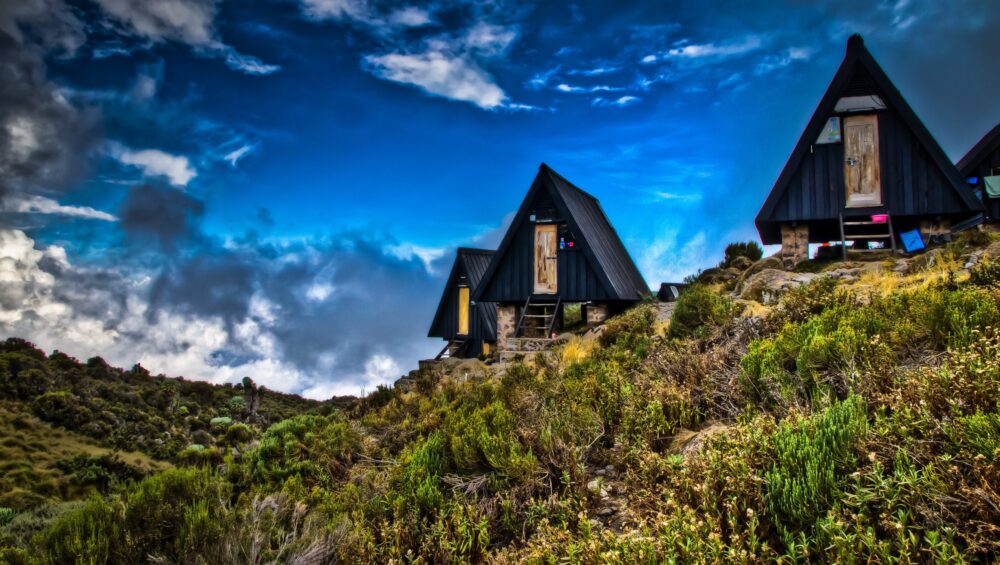
The Marangu Route, also known as the “Coca-Cola Route,” is the most classic path to the summit of Kilimanjaro and the only one that provides overnight stays in mountain huts instead of tents. This 5-day version is the shortest route to the summit—ideal for trekkers short on time but still determined to reach Uhuru Peak.
That said, because of the rapid ascent, this version has a lower summit success rate compared to longer itineraries. It’s best suited for experienced hikers or those who are well-prepared for the altitude.
💰 Seasonal Pricing Guide
Pricing can vary depending on the time of year, group size, and your preference for standard or upgraded packages (private toilet tent, upgraded meals, hotel tier, etc.). Below is a general idea of per person pricing for the 6-Days Marangu Route in USD:
| Season | Months | Group Join Price (pp) | Private Trek (2 pax min) |
|---|---|---|---|
| High Season | Jan–Mar, Jun–Oct | $1,900 – $2,200 | $2,200 – $2,500 |
| Shoulder Season | Apr–May | $1,700 – $1,950 | $2,000 – $2,300 |
| Holiday Peak | Dec 20–31 | $2,400 – $2,600 | $2,700 – $2,900 |
Details
🗓️ Day 1: Moshi – Marangu Gate – Mandara Hut
We depart Moshi in the morning and drive to Marangu Gate (1,870m). After registration and briefing, the trek begins through Kilimanjaro’s lush rainforest. The trail is well-defined and gently climbs through mossy trees and occasional monkey sightings.
We arrive at Mandara Hut by mid-afternoon. If you’re feeling energized, you can hike to Maundi Crater for sweeping views into Kenya.
-
Elevation: 1,870m to 2,700m
-
Hiking Time: 4–5 hours
-
Habitat: Rainforest
🗓️ Day 2: Mandara Hut – Horombo Hut
Today we continue upward, leaving the rainforest behind and entering the open moorland zone. The scenery becomes more rugged, with views of Mawenzi Peak and the plains far below. The path gradually ascends through heath and rocky trails until we reach Horombo Hut, where we spend the night.
-
Elevation: 2,700m to 3,720m
-
Hiking Time: 5–6 hours
-
Habitat: Moorland
🗓️ Day 3: Horombo Hut – Kibo Hut
After breakfast, we hike across the vast saddle—a high-altitude desert between Mawenzi and Kibo peaks. The trail is dry, wide, and dusty, but the views are unforgettable. By early afternoon, we reach Kibo Hut, located at the base of the summit climb.
This evening, you’ll have an early dinner and get to bed around 7 PM. Summit night begins at midnight.
-
Elevation: 3,720m to 4,700m
-
Hiking Time: 6–7 hours
-
Habitat: Alpine Desert
🗓️ Day 4: Kibo Hut – Uhuru Peak – Horombo Hut
You’ll wake before midnight for the summit push. Hiking under the stars, we ascend slowly and steadily to Gilman’s Point (5,681m), where the first rays of sunrise light up the horizon. From there, it’s a final push to Uhuru Peak (5,895m)—the highest point in Africa.
After photos and celebration, we descend to Kibo Hut for a short rest, then continue to Horombo Hut for a well-deserved night of sleep.
-
Elevation: 4,700m to 5,895m (summit), then down to 3,720m
-
Hiking Time: 12–14 hours
-
Habitat: Arctic (summit), Moorland
🗓️ Day 5: Horombo Hut – Marangu Gate – Moshi
Our final descent winds back through the heath and rainforest. You’ll return to Marangu Gate, where you’ll sign the summit register and receive your certificate of achievement. From there, we drive back to Moshi for a hot shower and celebration meal.
-
Elevation: 3,720m to 1,870m
-
Hiking Time: 5–6 hours
-
Habitat: Moorland to Rainforest
📆 Best Time to Climb
| Month | Conditions | Notes |
|---|---|---|
| Jan–Mar | Dry, warm, fewer crowds | Occasional short rains |
| Apr–May | Rainy season (low traffic) | Muddy trails, slippery paths |
| Jun–Oct | Peak dry season, best visibility | Popular = more crowded camps |
| Nov | Short rains | Still doable with prep |
| Dec | Dry early month, festive peak later | Busy around holidays |